Verify if your wallplate is perfectly square using diagonal measurements. Get precise shift direction and amount.
The Wallplate Square Checker is an essential tool for carpenters and builders who need to verify that wallplates are perfectly square before proceeding with construction. A square wallplate ensures that walls are built at right angles, preventing structural issues and ensuring professional results.
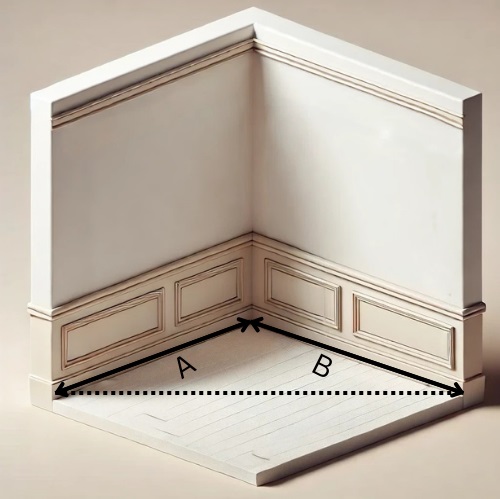
Our wallplate square checker uses the diagonal measurement method, which is the most accurate way to check squareness. By measuring the diagonal from corner to corner and comparing it to the calculated ideal diagonal, you can determine if adjustments are needed. The tool calculates the exact shift amount required and indicates the direction (left or right) to move the bottom plate.
Enter the length and depth of your wallplate, then measure the diagonal corner-to-corner. The calculator compares your measured diagonal to the ideal diagonal calculated using the Pythagorean theorem. If there's a difference, the tool tells you exactly how much to shift the bottom plate and in which direction to achieve perfect squareness.
Explore our other professional construction calculators: Wall Layout Calculator for picture spacing, Angle Calculator for perfect miters, Ceiling Spotlights Calculator for lighting layouts, and Spindle Calculator for balustrade spacing. Visit our apps directory for more free construction tools.
The wallplate square checker is trusted by UK construction professionals for accurate framing verification. Whether you're building new construction or renovating existing structures, ensuring square wallplates is crucial for proper wall alignment and preventing future problems. This tool helps you catch and correct squareness issues before they become costly mistakes.
For more information about construction best practices and framing techniques, visit CITB (Construction Industry Training Board) or consult Building Magazine for industry standards and guidelines.

 even.jpg)